
The Power of Music Can Help NICU Babies Go Home Sooner


For families with a baby in the Neonatal Intensive Care Unit (NICU), every day can feel like a waiting game filled with uncertainty. However, in hospitals across the country, a gentle, non-invasive intervention is helping change that experience: music therapy. Backed by growing research and heartfelt clinical stories, music therapy is proving to be a powerful tool in helping prematurely born babies stabilize, grow, and ultimately go home with their families sooner.
“It’s not just me going and playing guitar. It’s a lot more of me looking at the monitors. Making sure they’re stabilized,” said music therapist Laura Cellini.
Her words highlight an important truth; music therapy is highly specialized and deeply intentional. Therapists carefully tailor sounds, rhythms, and melodies to match each infant’s needs, often syncing music with breathing patterns or heart rates.
Stabilizing Tiny Bodies
The results of music therapy can be immediate and profound. As soon as the music begins, babies often show measurable improvements. Oxygen levels increase, heart rates slow, and stress indicators decrease. These physiological changes are critical for premature infants, whose bodies are still developing and often struggle with stability.
When babies are calmer and more regulated, they can conserve energy and focus on growth—one of the key factors in determining when they are ready to leave the hospital. In fact, several hospitals have reported that babies receiving music therapy are able to spend less time in the NICU and reunite with their families at home sooner.
Supporting Growth and Development
Research supports what clinicians are seeing in their patients. A systematic review published in the Journal of Advanced Nursing in 2021 found that music therapy can significantly improve heart rate, respiratory rate, and stress levels in preterm infants. It also increases oral feeding volume, which is important because feeding milestones are often a barrier to NICU discharge. When babies can feed more effectively and consistently, they gain weight faster and meet discharge criteria sooner.
But the benefits of music therapy extend far beyond physical stabilization.
Joanne Ordono, a child life specialist, emphasizes its developmental impact, “It helps with their development, it helps with their brain development. It helps with their feeding.” The auditory stimulation provided by music therapy supports neural pathways associated with language, cognition, and emotional regulation.
For babies born too early, these early interventions can play a crucial role in long-term development.
Strengthening the Parent-Infant Bond
Equally important is the emotional support music therapy provides, not just for infants, but for their families. The NICU can be an overwhelming and intimidating environment, filled with machines, alarms, and medical jargon. Music therapy introduces moments of calm and connection in an otherwise stressful setting.
“This gives them the opportunity to create those meaningful moments to strengthen their bonds in a special way,” Ordono added. Parents are often encouraged to participate, whether by singing lullabies, humming, or simply being present during sessions. These shared experiences can help parents feel more connected to their baby and more confident in their role, even in the midst of medical challenges.

Reducing Stress for the Whole Family
The benefits of music therapy extend beyond the baby. Parents of NICU infants often experience high levels of stress, anxiety, and even trauma. Music therapy provides a sense of normalcy and emotional relief, offering families a way to actively engage in their child’s care.
These calming, shared experiences can reduce parental stress, which in turn positively impacts the baby’s well-being. When parents feel more at ease, they are better able to bond, participate in care, and support their infant’s development.
A Safe Non-Invasive Approach
Another key advantage of music therapy is that it is non-pharmacological and non-invasive. In a setting where many treatments involve medications or medical procedures, music therapy offers a gentle, risk-free complement to traditional care. It works alongside medical interventions, enhancing outcomes without adding additional strain on the infant.
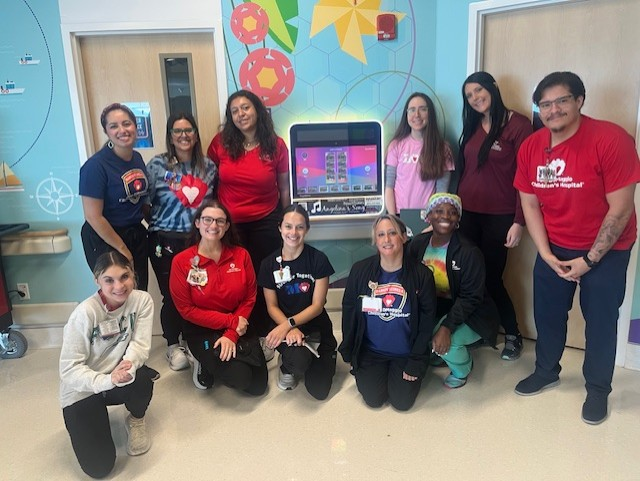
Despite its proven benefits, access to music therapy in NICUs is not universal. Approximately half of music therapy positions in pediatric settings rely on philanthropy, meaning that funding often comes from donations rather than hospital budgets. This makes community support and nonprofit initiatives like Angelina's Song vital to expanding these creative arts programs and ensuring more families can benefit.
The idea that the power of music can heal is not new, but in the NICU, it is taking on new meaning. Through carefully guided interventions, music therapy is helping premature babies grow stronger, reach critical milestones faster, and leave the hospital sooner. At the same time, it is giving families something just as important: hope, connection, and the chance to experience moments of joy during an otherwise challenging journey.
This article contains information originally published by ABC7 Los Angeles and Journal of Advanced Nursing.

Comments